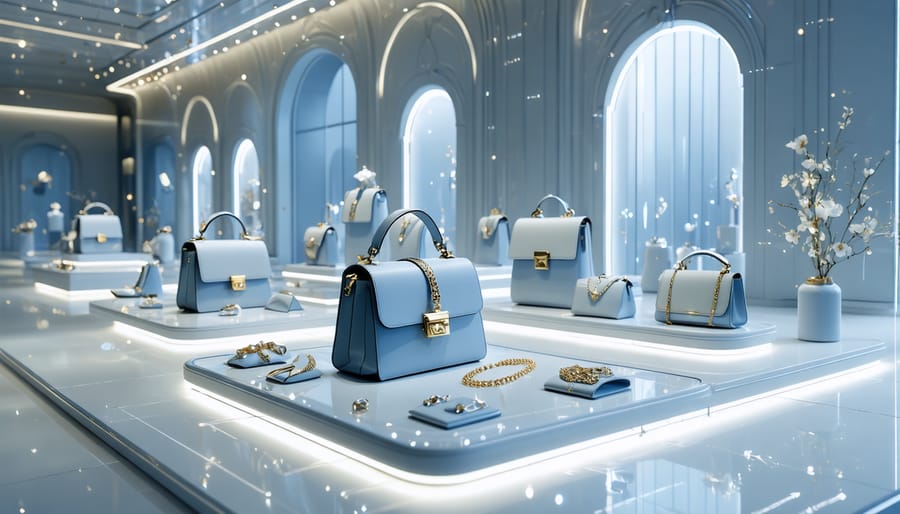
There was a time, not so long ago, when acquiring a high-end handbag required a pilgrimage. You would dress up, drive to a specific district in a specific city, wait for a sales associate to unlock a glass case, and hope—against hope—that the seasonal color you wanted was actually in stock. That ritual had its charm; the white gloves, the tissue paper, the champagne in the back room. But it also had its limitations: geography, inventory caps, and the subtle pressure of an in-person sales pitch.
Welcome to the new era. The digital landscape has democratized access to the world’s most coveted ateliers without sacrificing an ounce of the glamour. Today, the savvy shopper knows that the best pieces are often found not by walking down a cobblestone street in Milan, but by clicking through a carefully curated window on a laptop or phone. For those who appreciate the finer things but refuse to be limited by location, the ability to explore luxury fashion online has transformed a transaction into an experience of discovery.
Breaking Down the Velvet Rope
The first major shift brought by the digital luxury market is accessibility. Historically, brands protected their distribution fiercely. If you lived in the Midwest or a regional city, your access to a seasonal runway bag or a limited-edition collaboration was virtually nonexistent unless you traveled. Now, the velvet rope has been digitized—and lowered.
A robust online platform offers the entire global showroom at your fingertips. You are no longer limited to the buying decisions of a single local boutique manager. Instead, you gain access to a curated inventory that spans multiple regions, seasons, and designers. This variety is the true treasure of the modern shopper. You can compare the leather quality of a Milanese house against the stitching of a Parisian one in seconds. You can see how light plays on a metallic finish through high-resolution video. You can read the provenance of a vintage piece that has been sourced from a private collection in Tokyo.
The Thrill of the Hunt: Navigating Sales Season
Of course, accessibility is only half the equation. The other half is value. Luxury is an investment, but that does not mean one should ignore the principles of smart shopping. The digital space has revolutionized the concept of the “sale” floor. In physical retail, sales sections are often relegated to dusty corners filled with last season’s unloved sizes. Online, however, a designer bags sale is an entirely different beast.
These digital events are curated moments of opportunity. They offer access to end-of-season colors, floor models, or overstock from international boutiques that are priced to move. The key difference is that online sales usually maintain the integrity of the product. You aren’t buying flawed goods; you are buying surplus or seasonal turnover. For the strategic collector, this is the sweet spot. You can acquire a classic silhouette—say, a structured tote or a leather backpack—at a price point that respects your budget while still granting you entry into a world of craftsmanship.
When shopping a designer bags sale, the strategy changes. You must move quickly but think clearly. Identify the “evergreen” styles first—those that do not rely on seasonal gimmicks but rather on superior materials and construction. These are the pieces that will serve you for years. Avoid the impulse to buy something just because the discount is deep. Ask yourself: would I want this if it were full price? If the answer is yes, then the sale price is simply a blessing.
Authentication and the Digital Trust Economy
Despite the advantages, a lingering hesitation for many new buyers is authenticity. The internet, for all its wonders, has also given rise to a dark market of superfakes. This is where the choice of platform becomes paramount. Not all websites selling luxury fashion online are created equal. A legitimate retailer invests heavily in authentication. They employ former brand artisans, use AI imaging to compare stitching patterns, and often provide a certificate of authenticity with every high-ticket item.
When you purchase from a trusted digital partner, you are buying a promise. You are buying the assurance that the serial number matches the region, that the date code corresponds to the year of manufacture, and that the hardware is genuine metal, not plated plastic. This peace of mind is worth the premium you might pay over an unverified marketplace listing. Never compromise on provenance.
The Unboxing and Beyond
One might think that buying a bag online lacks the “experience” of the boutique. In reality, the top-tier digital retailers have turned the unboxing into an art form. Think of a heavy, ribbon-tied box arriving at your doorstep. Inside, the dust bag is crisp. The tissue paper is custom printed. The bag sits cradled like a jewel.
Furthermore, the service does not end when the box is opened. Excellent digital luxury platforms offer remote styling consultations, easy returns (often with white-glove pickup), and even virtual try-ons using augmented reality. They understand that buying a bag is an emotional decision. They want you to sit with it, hold it in your living room light, see how it pairs with your actual wardrobe—not just the mannequin in the store.
Styling Your Digital Discovery
How do you integrate these finds into your daily life? The beauty of sourcing from a diverse inventory is that your wardrobe becomes uniquely yours. You aren’t just wearing the “it” bag of the month that every influencer has. You might be carrying a revived archival piece from the 1990s or a niche label that only a few hundred people in the world know about.
Wear your digital treasures with confidence. Pair a vintage leather tote with a modern blazer for the office. Take your rare find on vacation; travel is when a great bag truly proves its worth. The nylon that resists rain, the crossbody that foils pickpockets, the secure zipper that saves your passport—these are the details you appreciate on the road.
The Verdict
The way we dress is changing, and the way we shop is changing even faster. The future of fashion is not exclusive in a geographic sense; it is exclusive in a knowledge sense. The people who win are the ones who know where to look.
By embracing luxury fashion online, you give yourself permission to browse without a hovering sales associate, to compare prices across time zones, and to discover artisans you never knew existed. And by timing your purchases to coincide with a designer bags sale, you practice the art of patience—striking when the quality aligns with the price.
The digital closet is open. The only question left is: what will you carry into tomorrow?


Leave a Reply